What Are Stablecoins?
The payments industry — including traditional payments companies — are embracing stablecoins for good reason: faster settlement, lower costs and truly global reach. You don't need to become a crypto expert to take advantage of them. But understanding the basics helps explain why the biggest names in payments are moving so fast on this.
So, What Is a Stablecoin?
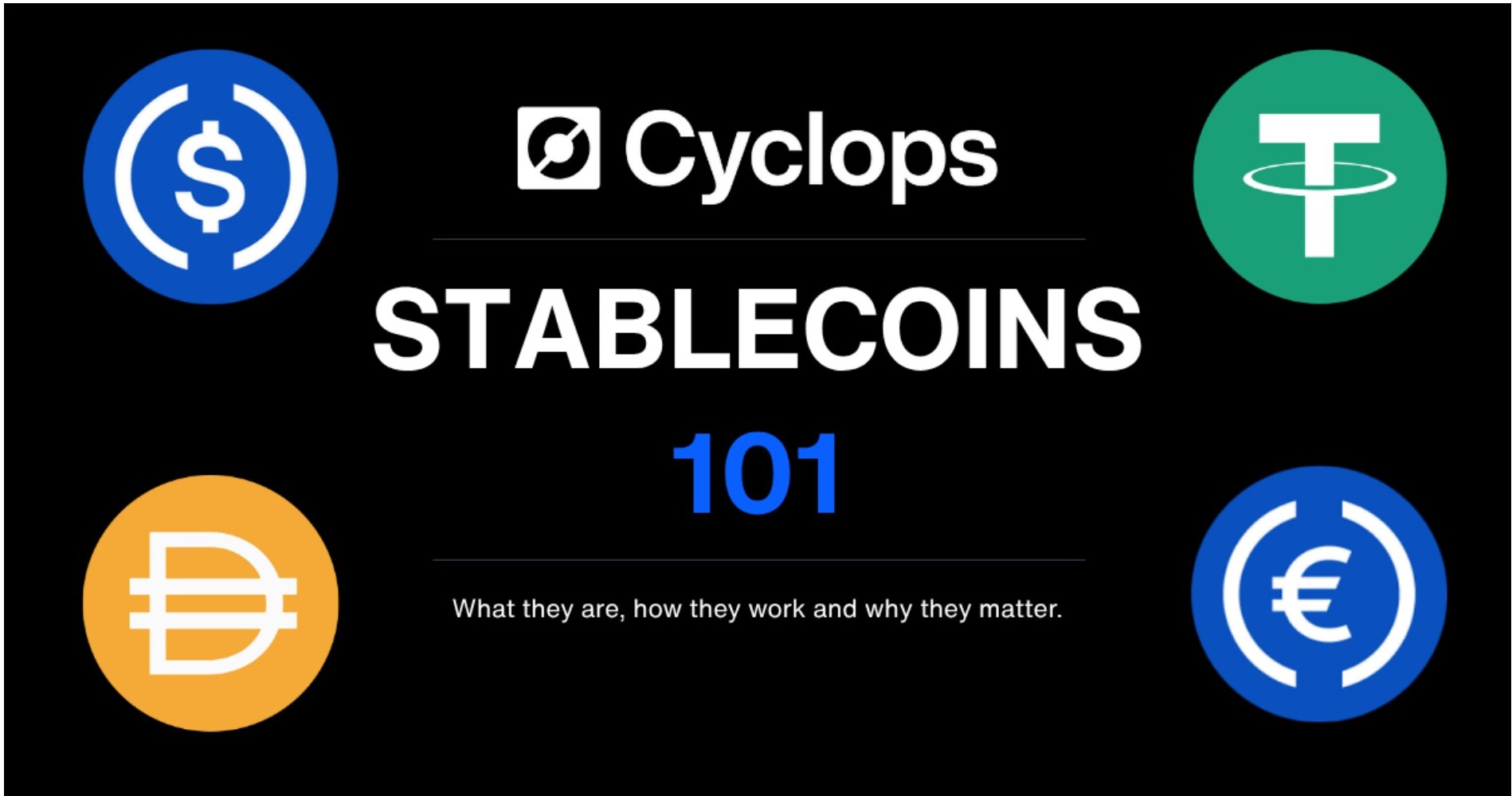
A stablecoin is a type of digital currency designed to hold a steady value, usually pegged 1:1 to a real-world currency like the US dollar or the Euro. It's a digital dollar that moves at the speed of the internet — you can send it to anyone in the world in seconds, at any time of day, without going through a bank. The most popular ones are issued by Circle (USDC) and Tether (USDT).
It's essentially a digital dollar that doesn't rely on traditional banking rails and operates 24/7 so you can send that digital dollar to anyone in the world in seconds and they can redeem it for cash at any time. Banking hours and holidays don't apply.
That combination of crypto's speed and global reach with the price stability of regular money turns out to be incredibly useful. As of 2026, stablecoins represent more than $300 billion in circulation and have quietly become the rails moving trillions of dollars a year across payments, trading and cross-border transfers.
How They Work
Not all stablecoins work the same way, but for payments companies, one type dominates the conversation. Fiat-backed stablecoins — backed by real dollars, euros or other currencies held in reserve 1:1 — are the simplest, most regulated and by far the most widely used, accounting for more than 87% of total supply. They're transparent, compliant and already being used at scale by the largest payments networks in the world. The two most popular are US Dollar Coin (USDC) and Tether (USDT). Cyclops is neutral and supports all the largest stablecoins and networks.
The other three categories — crypto-collateralized (backed by other cryptocurrencies), commodity-backed (pegged to physical assets like gold) and algorithmic (uses math rather than reserves to hold their peg) — each serve a purpose but are largely less relevant to payments use cases today.
Why This Matters for Payments Companies
Visa, Mastercard, Stripe, Fiserv, Worldpay and Shift4 are all building stablecoin capabilities. The shift is already happening, and for PSPs, acquirers and processors, the opportunity is clear: settlement that runs 24/7 unlocks a lot of value that just isn't possible with traditional rails.
The question for most payments companies isn't whether to add stablecoin capabilities — it's how to do it without rebuilding their entire stack or becoming a crypto company in the process. That's exactly the problem Cyclops was built to solve. Ensuring your stablecoin coverage is comprehensive, compliant and dynamically adjusted as the market evolves, without requiring you to become an expert yourself.
Learn more about the leading stablecoin solutions payments companies are using today here.
About Cyclops
Cyclops was founded by a team of payments executives and crypto veterans fed up with stablecoin fragmentation. After selling their first company to Shift4 and spending years building its stablecoin settlement, payin and payout products with multiple partners, our founders set out to unify stablecoin infrastructure themselves — and Cyclops was born.
Cyclops is the first complete stablecoin platform built exclusively for the payments industry, partnering where best-in-class capabilities exist and building where they don’t. The result: stablecoin and fiat settlement, payins, payouts and treasury optimization, all through a single API and onboarding process.
Want to learn more about the Cyclops platform? Connect with us here.